アイキャッチ画像は写真をもとにAIで生成し、猫は我が家の猫をモデルにしています。
PR / Ad|この記事にはアフィリエイトリンクが含まれています。
Read the English version|英語版はこちら
Introduction|はじめに
A quiet Zen temple.
Wooden gates and traditional gardens.
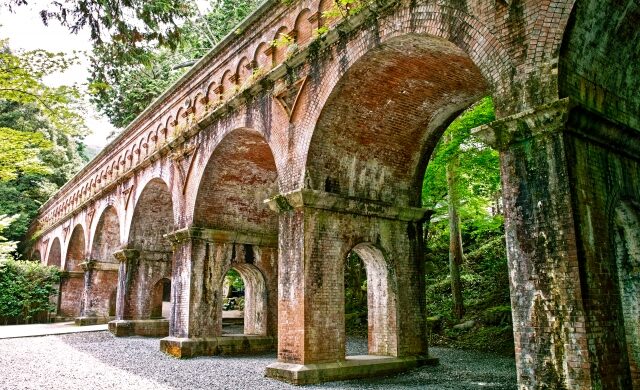
And a row of red brick arches.
静かな禅寺。
木造の門と日本庭園。
そして、赤レンガのアーチ。
At Nanzen-ji Temple in Kyoto,
an unusual structure stands
among the historic buildings.
It is called the Suirokaku Aqueduct.
京都・南禅寺の境内には、
歴史ある建物の中に
少し不思議な建造物があります。
その名は「水路閣」。
Why was a brick aqueduct
built inside a Zen temple?
なぜ禅寺の境内に、
レンガ造りの水道橋が
建てられたのでしょうか?

Red Brick Arches in a Temple|お寺に現れる赤レンガのアーチ
Walk through the temple grounds,
and you will find
a long row of brick arches.
Their rounded shapes
look different from the wooden halls nearby.
境内を歩いていくと、
赤レンガのアーチが
長く連なる景色に出会います。
丸みのある形は、
近くの木造のお堂とは
どこか違う印象です。
This is Suirokaku,
a water bridge completed in 1888.
It is part of the Lake Biwa Canal.
これが、1888年に完成した水路閣。
琵琶湖疏水の一部として
造られた水道橋です。
What Is Above the Arches?|アーチの上には何がある?
The arches are not just decoration.
A water channel runs across the top.
Even today, water flows
through the aqueduct.
アーチは、
飾りのためのものではありません。
その上には水路があり、
今も水が流れています。
The structure carries canal water
across the temple grounds.
Its brick arches support
the channel above.
水路閣は、
境内を横切る水路を支える構造物。
レンガのアーチが、
上を通る水路を支えています。
Suirokaku is a working part
of the Lake Biwa Canal system,
not simply a historic monument.
水路閣は、
昔の姿を残すだけでなく、
今も琵琶湖疏水の施設として
使われています。
Why Was It Built?|なぜ明治時代に造られたの?
In the Meiji period,
Kyoto began a major project
to bring water from Lake Biwa.
The canal helped support
the city’s industry and daily life.
明治時代、京都では
琵琶湖から水を引く
大きな事業が進められました。
疏水は、産業や暮らしを支える
大切な役割を担いました。
The canal route passed
through the Nanzen-ji area.
Suirokaku was built to carry
the water across the grounds.
その水路が、
南禅寺のある地域を通ることになり、
境内に水を渡すための
水路閣が造られたのです。
The Lake Biwa Canal project
was an important part of
Kyoto’s modernization.
Its first canal was completed in 1890.
琵琶湖疏水は、
京都の近代化を支えた
重要な事業です。
第一疏水は1890年に完成しました。
From a permitted spot beneath
the aqueduct, look along
the repeating arches.
Their rhythm creates a sense of depth.
水路閣の下の見学できる場所から、
アーチの連なりに注目してみましょう。
奥へ続く形が、
写真に深い奥行きを生みます。
The red brick arches
are more than a beautiful landmark.
They are part of a waterway
that helped modernize Kyoto.
赤レンガのアーチは、
ただ美しいだけの建造物ではありません。
京都の近代化を支えた
水路の一部なのです。
Sanmon Gate|三門

The imposing Sanmon Gate
is one of Nanzen-ji’s landmarks.
It stands about 22 meters tall.
堂々とそびえる三門は、
南禅寺を代表する建物です。
高さは約22メートルあります。
From its upper level,
visitors can enjoy views
of the temple roofs, mountains,
and the city of Kyoto.
楼上からは、
境内の屋根や山々、
京都の街並みを
眺めることができます。
Sanmon is associated with
the Kabuki play Sanmon Gosan no Kiri,
featuring Ishikawa Goemon.
The play is fiction,
not a record of a real event here.
三門は、石川五右衛門が登場する
歌舞伎『楼門五三桐』でも知られます。
ただし、舞台の物語は創作で、
ここで実際に起きた出来事ではありません。
Hatto|法堂
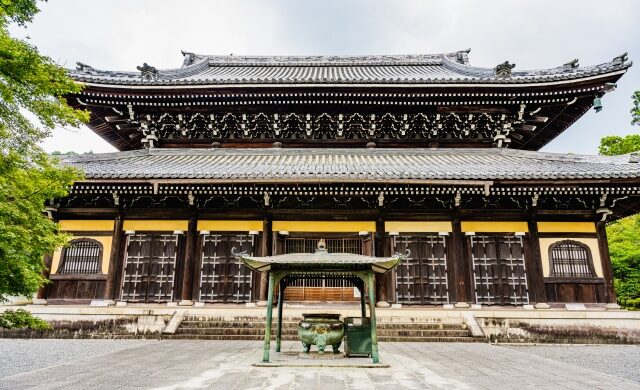
The Hatto is a central hall
used for Buddhist ceremonies.
The present building
was rebuilt in 1909.
法堂は、
仏教の法要などが行われる
中心的なお堂です。
現在の建物は1909年に再建されました。
Hojo and Zen Gardens|方丈と禅の庭園
The Hojo consists of
the Ohojo and Kohojo.
The buildings are designated
a National Treasure of Japan.
方丈は、
大方丈と小方丈からなり、
国宝に指定されています。
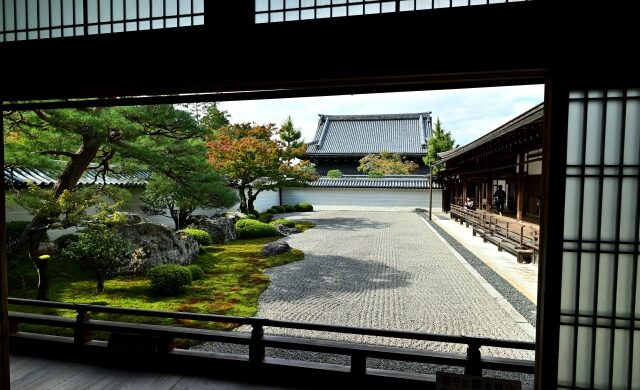
In front of the Ohojo,
a dry landscape garden
uses rocks and white gravel
to create a quiet scene.
大方丈の前には、
石と白砂で景色を表す
枯山水庭園が広がっています。
Other gardens include Joshin-tei,
whose stones suggest
the character for “heart,”
and Rikudotei, inspired by
the Buddhist Six Realms.
ほかにも、石組で「心」の字を表す
如心庭や、仏教の六道を表現した
六道庭があります。
Notice the balance
of stones, gravel, and moss.
Each garden has its own design.
石や白砂、苔の配置に
注目してみましょう。
庭ごとに異なる表情を
楽しめます。
Sub-temples and Seasonal Scenery|塔頭寺院と四季の風景
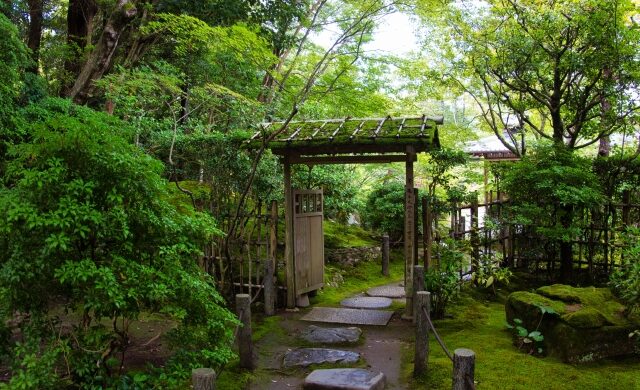
Tenju-an is known
for its beautiful gardens,
with fresh green leaves
and autumn colors.
天授庵は美しい庭園で知られ、
青もみじや紅葉など、
季節ごとの景色を楽しめます。
Konchi-in also preserves
historic buildings and gardens.
Nanzen-in is associated
with Emperor Kameyama’s former villa.
金地院にも、
歴史ある建物と庭園があります。
南禅院は、亀山法皇の
離宮跡にゆかりのある場所です。
Nanzen-in has been closed
for restoration work.
Please check current access
on the official website before visiting.
南禅院は修復工事に伴い
拝観休止となっています。
再開時期や拝観の可否は、
お出かけ前に公式情報で
ご確認ください。
Nejiri Manpo|ねじりまんぽ
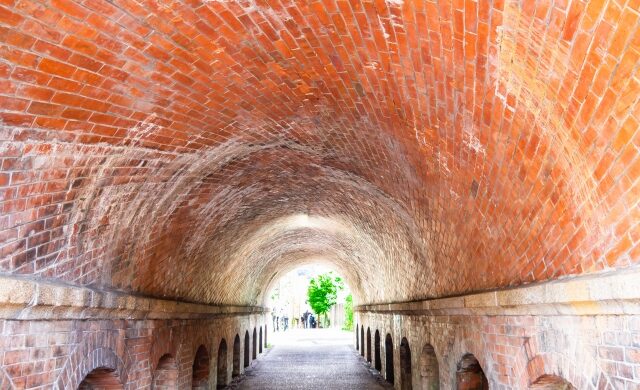
Near Nanzen-ji is Nejiri Manpo,
a brick tunnel with an unusual
spiral pattern.
南禅寺の近くには、
レンガが斜めに積まれた
「ねじりまんぽ」という
トンネルがあります。
It was built beneath
the Keage Incline.
The twisted brickwork helps
the tunnel withstand loads above.
蹴上インクラインの下に造られ、
上からの荷重に耐えるため、
レンガがらせん状に
積まれています。
🗺 Google Map
お出かけ前に、公式ホームページで最新情報をご確認ください。
Cat Memo

I only gave it a tiny boop…
Now it won’t stop! 🐾
ちょんってしただけだったにゃ……。
もう止まらないにゃ〜。🐾
At Nanzen-ji,
a red brick aqueduct
stands beside centuries of Zen history.
Together, they tell
two different stories of Kyoto.
南禅寺には、
禅寺の長い歴史と、
近代の京都を支えた水路が
同じ風景の中に残されています。
Thank you
for visiting
Nanzen-ji Temple.
南禅寺を訪れてくださり、
ありがとうございました。
May your time here
bring you peace
and beautiful memories.
And may your journey
through Kyoto
be a wonderful one. 🐾
ここで過ごす時間が、
皆さまにとって
穏やかで、
心に残る思い出となりますように。
そして、京都での旅が
素敵なものになりますように。🐾


🗺 京都のエリアから探す
Kyoto is divided into several unique areas, each offering different attractions and experiences.
京都にはエリアごとに異なる魅力があります。
気になるエリアから観光スポットを探してみてください。