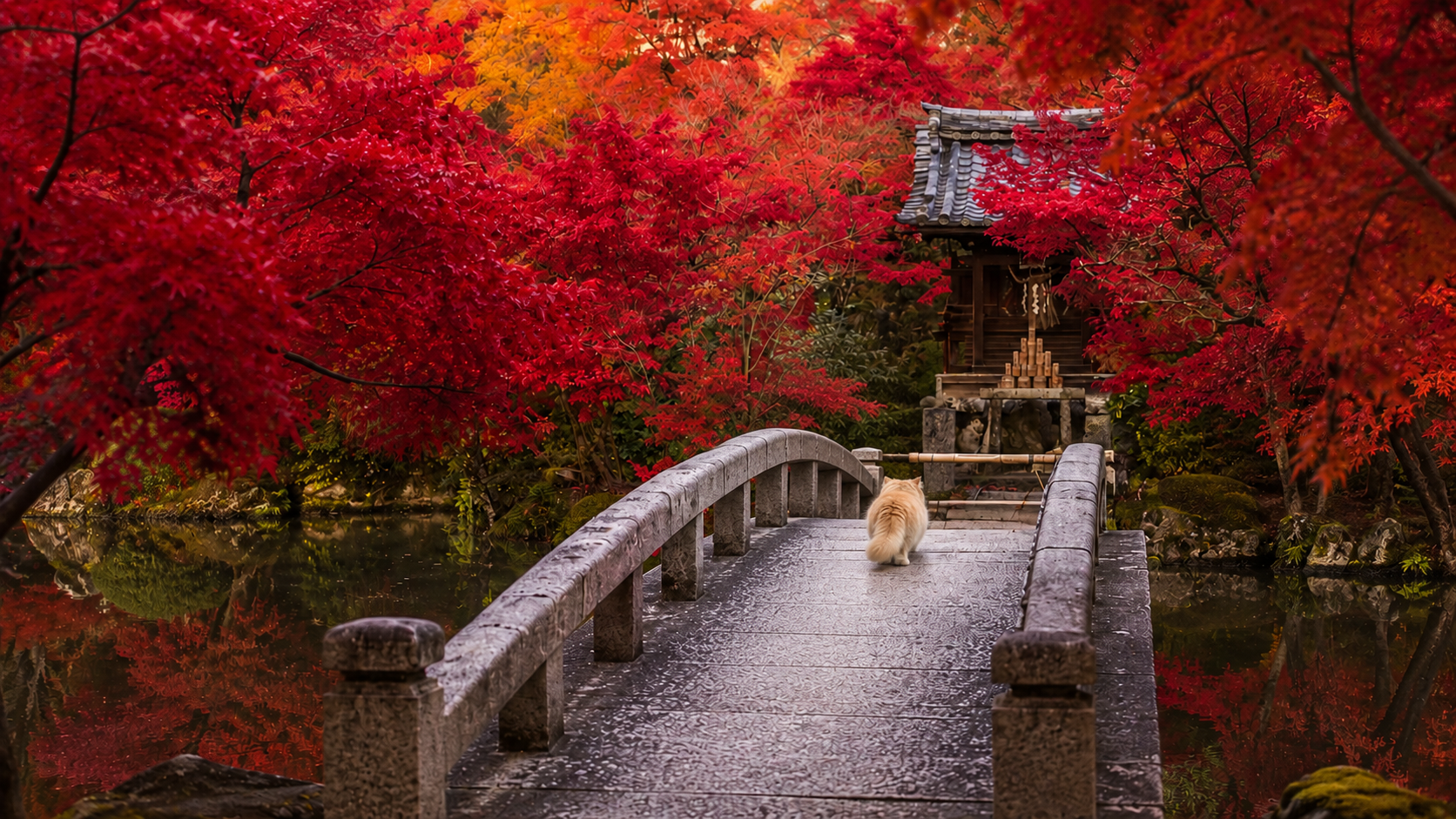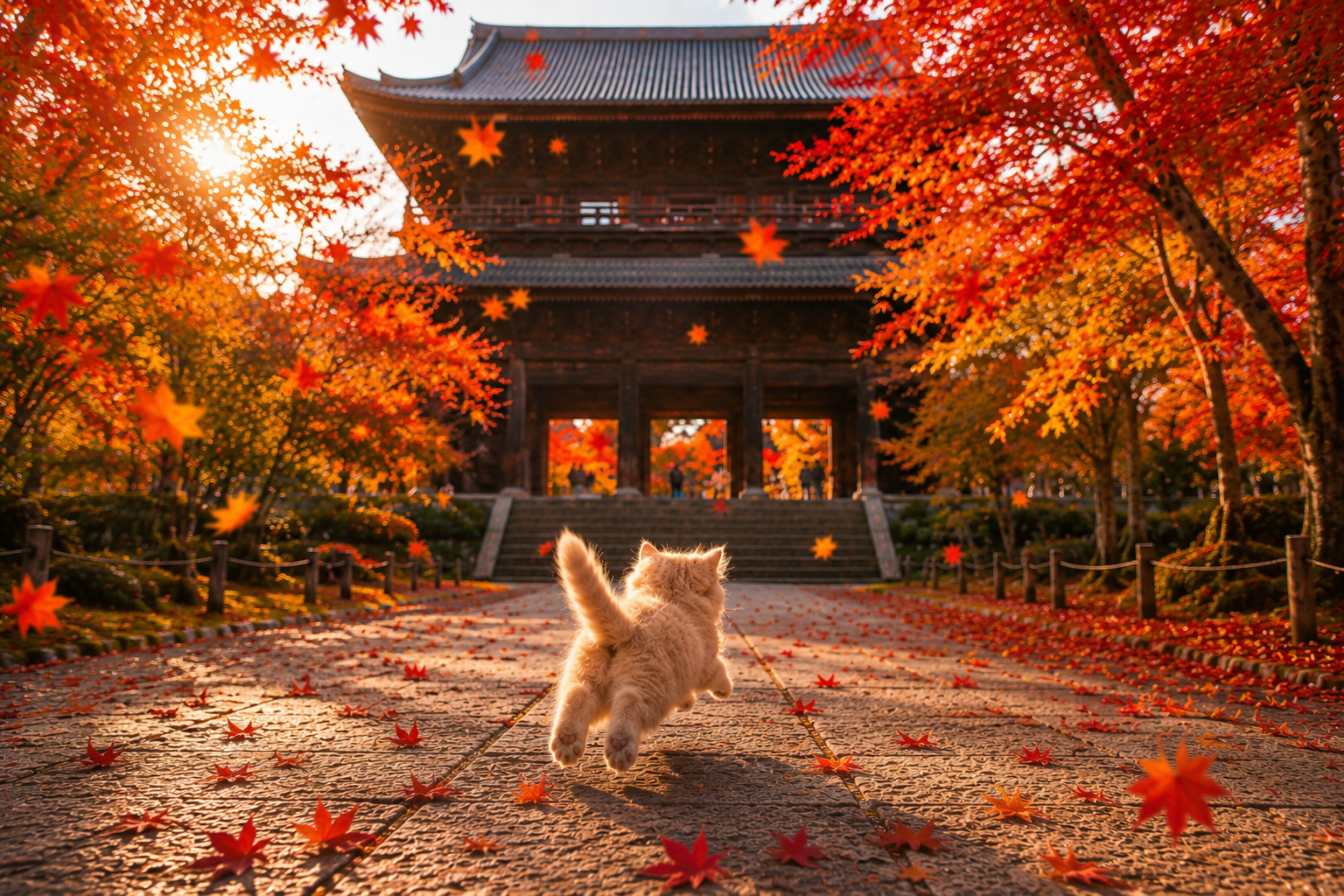
The featured image was AI-generated from a photograph,
with the cat modeled after our family cat.
PR / Ad|This post contains affiliate links.
Read the English + Japanese version|英語+日本語版はこちら
Introduction|はじめに
Nanzen-ji Temple
is one of
Kyoto’s best-known
Zen temples.
Founded in 1291,
it is famous
for its historic buildings,
beautiful gardens,
and peaceful
temple grounds.
From the impressive
Sanmon Gate
to quiet Zen gardens,
every step
invites visitors
to slow down
and enjoy
the beauty of Kyoto.
🟫 MINI MEMO
Nanzen-ji Temple
was built
on the site
of Emperor Kameyama’s
former imperial villa.
History|歴史
Nanzen-ji Temple
was founded
in 1291,
when Emperor Kameyama
invited Zen master
Mukan Fumon
to become
its founding abbot.
Today,
it serves as
the head temple
of the Nanzen-ji branch
of the Rinzai school
of Zen Buddhism.
For more than
700 years,
people have visited
this temple
to experience
the quiet spirit
of Zen.
Sanmon Gate|三門
-640x390.jpg)
The Sanmon Gate
is one of
Nanzen-ji Temple’s
most famous landmarks.
Standing
about 22 meters tall,
it rises prominently
along the main approach
through the temple grounds.
Visitors who climb
to the upper floor
can enjoy
beautiful views
over Kyoto.
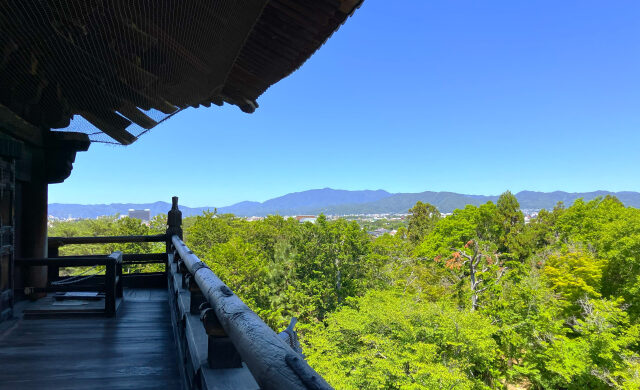
From the upper floor,
the mountains,
temple roofs,
and the city of Kyoto
spread out below.
The peaceful scenery
has inspired visitors
for generations.
🟫 MINI MEMO
The Sanmon Gate
is also associated
with the famous
Kabuki play
Sanmon Gosan no Kiri,
which features
the legendary outlaw
Ishikawa Goemon.
🟫 PHOTO TIP
The view
from the upper floor
is one of
the best photo spots
at Nanzen-ji Temple.
If you stay
for a few moments,
you can enjoy
both Kyoto’s cityscape
and the quiet mountains.
Hatto|法堂
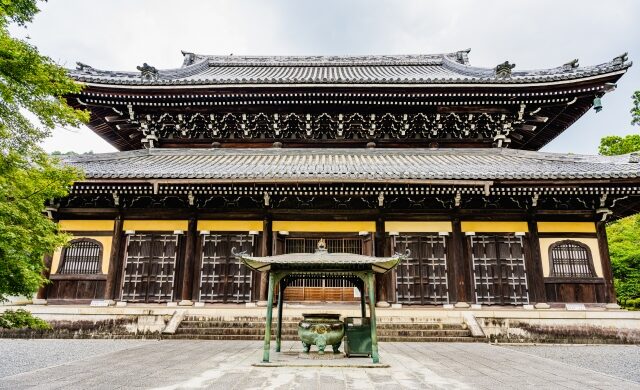
The Hatto
is the temple’s
Dharma Hall,
where Buddhist ceremonies
and important events
are held.
Its dignified appearance
makes it
one of
the central buildings
of Nanzen-ji Temple.
🟫 MINI MEMO
The current Hatto
was rebuilt
in 1909.
Hojo|方丈
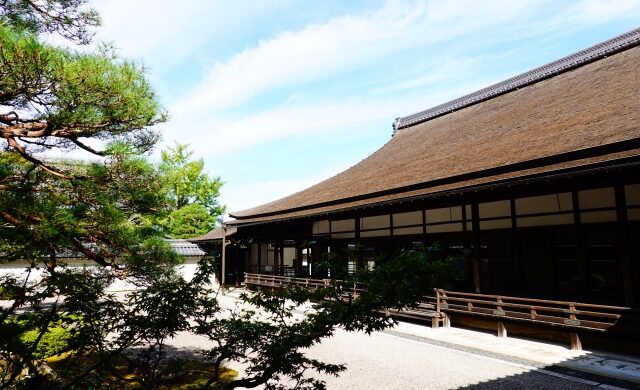
The Hojo
consists of
the Ohojo
and the smaller Kohojo.
Its elegant architecture
and historic interiors
offer visitors
a glimpse
into the temple’s
long history.
The Hojo
is designated
as a National Treasure
of Japan.
🟫 PHOTO TIP
Take a moment
to admire
the elegant
wooden architecture
before exploring
the gardens.
The wide veranda
and traditional design
make the Hojo
one of the most
beautiful buildings
at Nanzen-ji Temple.
Ohojo Garden|大方丈庭園
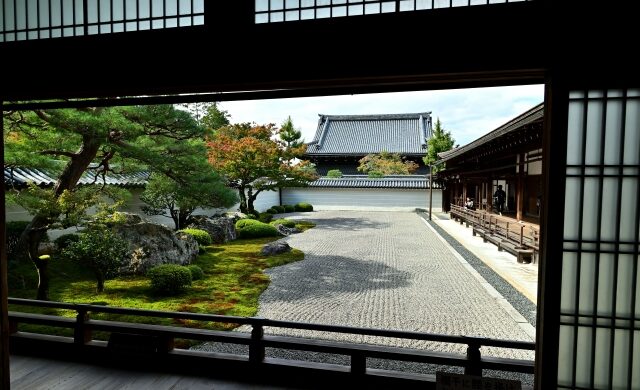
The Ohojo Garden,
also known
as the Hojo Garden,
is a historic
dry landscape garden.
Carefully placed rocks
and white gravel
express
the quiet beauty
of Zen.
From the veranda,
visitors can enjoy
its simple
yet elegant scenery.
🟫 MINI MEMO
The garden
is designated
as a National Place
of Scenic Beauty.
Joshin-tei|如心庭
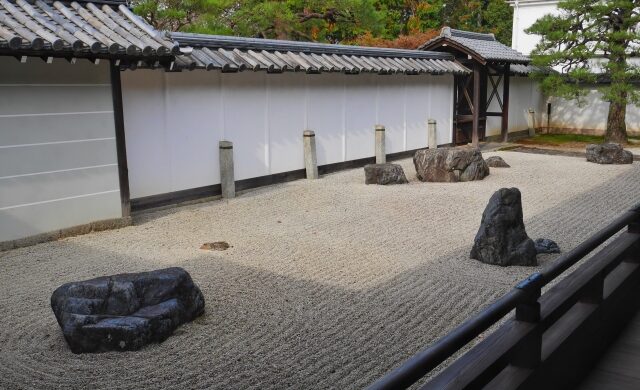
Joshin-tei
is a modern
Zen garden
located beside
the Kohojo.
White gravel,
stones,
and simple lines
create
a calm
and elegant landscape.
Its quiet design
offers
a different impression
from the historic
Ohojo Garden.
🟫 MINI MEMO
The stones
are arranged
in the shape
of the Japanese character
for “heart” or “mind.”
Rikudotei|六道庭
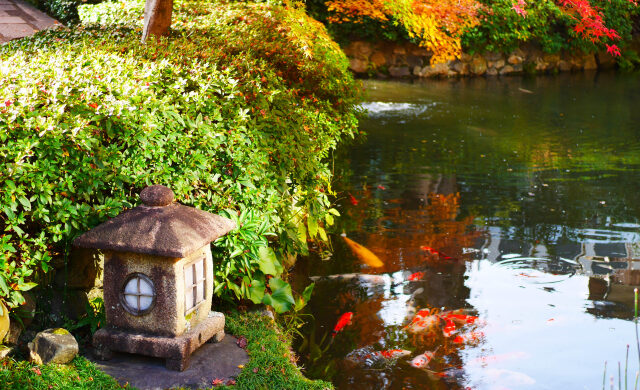
Rikudotei
is a Zen garden
that represents
the Buddhist cycle
of rebirth
through the Six Realms.
Stones placed
among the green moss
create
a quiet
and contemplative landscape.
🟫 PHOTO TIP
Each garden
has its own
unique atmosphere.
Take your time
to compare
their different designs
and seasonal scenery.
Suirokaku Aqueduct|水路閣
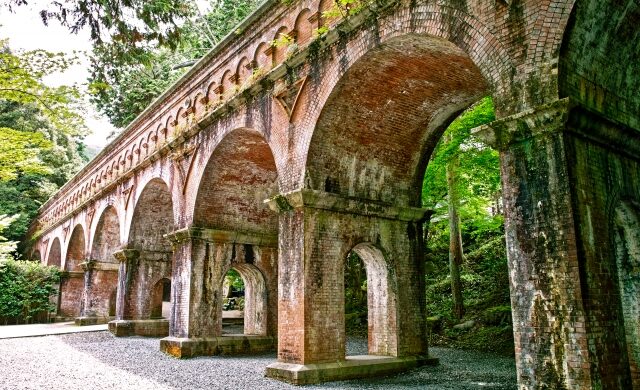
The Suirokaku Aqueduct
is one of
Nanzen-ji Temple’s
most famous landmarks.
Completed in 1888,
it was built
as part of
the Lake Biwa Canal.
Its red brick arches
create
a unique landscape
where traditional temples
and modern engineering
come together.
🟫 MINI MEMO
The aqueduct
still carries water
today.
The Suirokaku Aqueduct
was designated
a National Treasure
of Japan
in 2025.
🟫 PHOTO TIP
Stand beneath
the brick arches
to capture
their beautiful symmetry.
Nanzen-in|南禅院
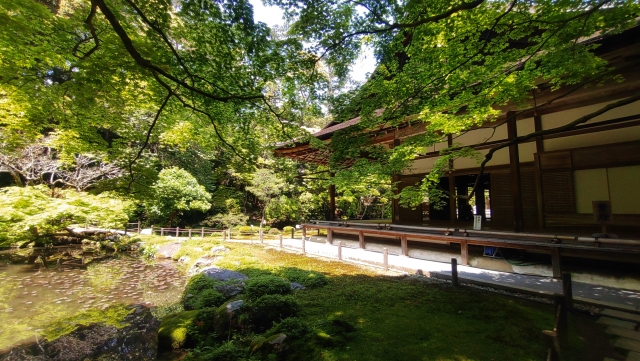
Nanzen-in
stands
on the site
of Emperor Kameyama’s
former imperial villa.
It is known
for its peaceful garden
and beautiful
seasonal scenery.
🟫 REAL INFO
Nanzen-in
is currently closed
for restoration work.
It is expected
to reopen
in spring 2027.
Please check
the official website
before your visit.
Konchi-in|金地院
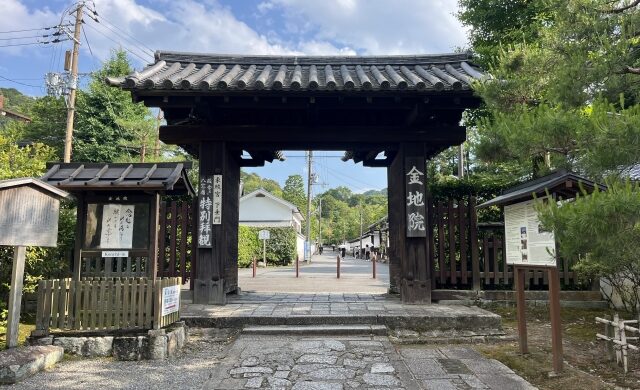
Konchi-in
is one of
the sub-temples
of Nanzen-ji Temple.
It is known
for its
historic buildings
and beautiful gardens.
Tenju-an|天授庵
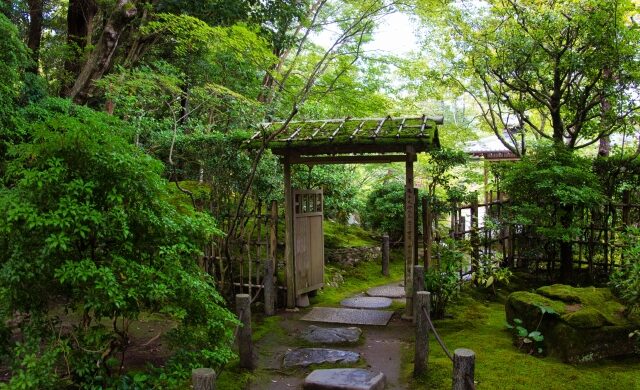
Tenju-an
is especially known
for its
beautiful gardens.
Fresh greenery
in spring
and colorful maple leaves
in autumn
make it
one of
the most popular
places
within the temple grounds.
Nejiri Manpo|ねじりまんぽ
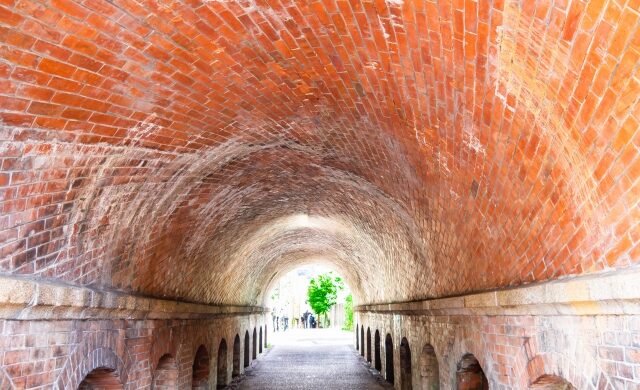
Just a short walk
from Nanzen-ji Temple
brings you
to Nejiri Manpo.
Built
during the Meiji era,
the tunnel
is famous
for its
twisted brick pattern,
which was designed
to strengthen
the structure.
🟫 MINI MEMO
The bricks
were laid
in a spiral pattern
to help the tunnel
withstand the weight
of loaded carts
passing above
on the Keage Incline.
Autumn Illuminations|秋のライトアップ
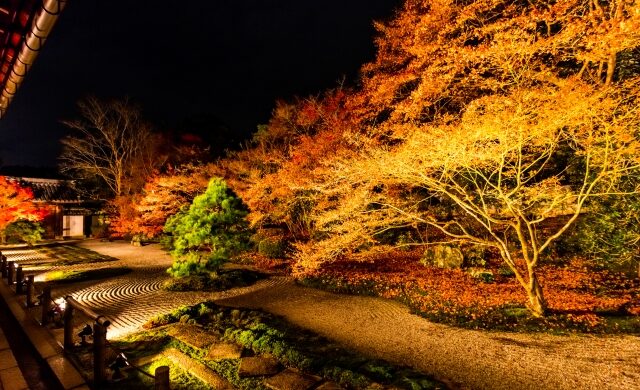
In some years,
Tenju-an
holds a special
evening illumination
during autumn.
Colorful maple leaves
and historic buildings
create
a peaceful
and beautiful
nighttime landscape.
🟫 REAL INFO
Illumination dates
and opening details
change each year.
Please check
the latest official information
before your visit.
🐾 CAT MEMO

I just gave it a tiny boop…
It’s not stopping now… 🐾
🗺 Google Map
Summary|まとめ
Nanzen-ji Temple
is a place
where history,
Zen culture,
and nature
come together
beautifully.
From the impressive
Sanmon Gate
to peaceful gardens
and the famous
Suirokaku Aqueduct,
every step
reveals
the quiet beauty
of Kyoto.
Thank you
for visiting
Nanzen-ji Temple.
We hope
your journey
through Kyoto
will be filled
with wonderful memories. 🐾
🗺 Explore More Kyoto Areas
Kyoto is divided into several unique areas, each offering different attractions and experiences.