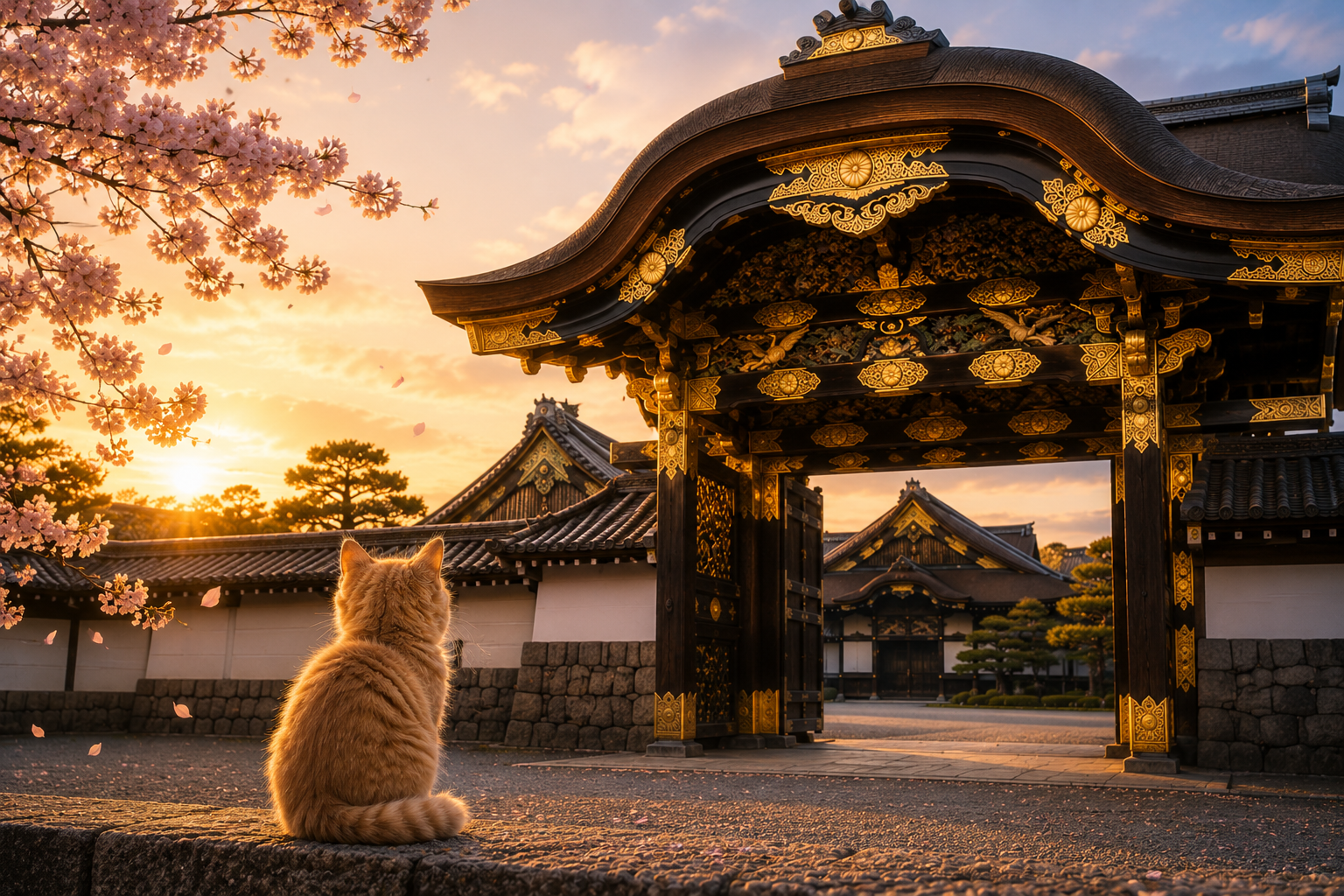
The featured image is an AI-generated illustration.
PR / Ad|This post contains affiliate links.
Read the English + Japanese version|英語+日本語版はこちら
Introduction|はじめに
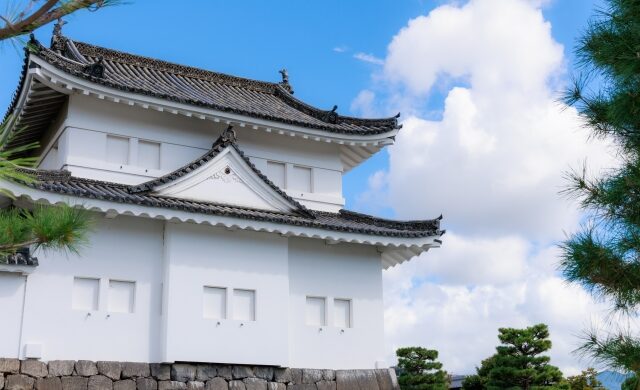
A magnificent gate.
A palace filled with history.
Quiet gardens surrounded by stone walls.
Nijō Castle was built in 1603
by Tokugawa Ieyasu,
the founder of the Tokugawa shogunate.
More than 260 years later,
the castle became the setting
for a historic decision
that helped bring the shogunate
to an end.
How did one castle become connected
to both the beginning
and the end of an era?

The Beginning of an Era|徳川家康が築いた城
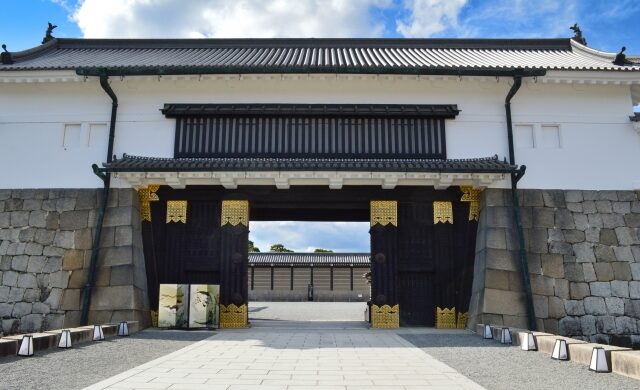
In 1603, Tokugawa Ieyasu
became shogun and established
the Tokugawa shogunate.
Nijō Castle was built in Kyoto
as a residence for the shogun
and a place to demonstrate
his political authority.
Its impressive gates,
palace buildings and stone walls
reflected the power
of the new government.
■ Memo|Why Nijō Castle Was Built in Kyoto
Although the shogunate
was based in Edo,
Kyoto remained home
to the Imperial Court.
Nijō Castle was an important base
for the shogun’s activities there.
The Great Restoration|大政奉還の舞台
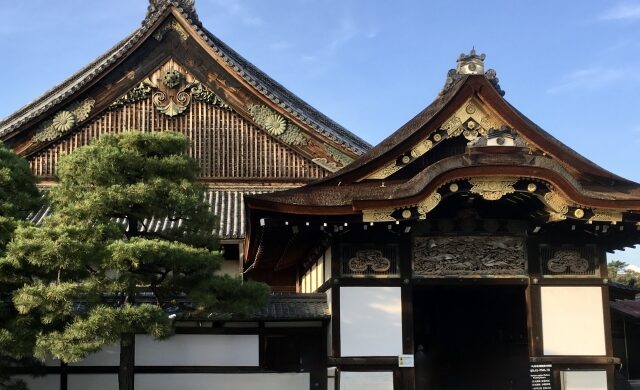
In 1867, more than 260 years
after the castle was built,
the political situation in Japan
had changed dramatically.
Tokugawa Yoshinobu,
the 15th and final Tokugawa shogun,
announced his intention
to return political authority
to the Imperial Court.
At Ninomaru Palace,
he explained his decision
to senior retainers
and representatives of the domains.
This event is known
as the Taisei Hōkan,
or the return of political power
to the Emperor.
■ Memo|What Was the Taisei Hōkan?
In October 1867,
Yoshinobu proposed returning
political authority
to the Imperial Court.
The proposal was accepted,
but the transition to a new government
continued through further events.
A Palace That Remains|今も残る歴史の舞台
Today, Ninomaru Palace
is designated as a National Treasure.
Its connected buildings,
beautifully decorated rooms
and carefully arranged spaces
preserve the atmosphere
of the shogun’s residence.
A castle built to represent
the power of the Tokugawa shoguns
later witnessed a turning point
in that same shogunate’s history.
what secrets can we discover
inside Nijō Castle?
The Nightingale Floors|なぜ廊下が鳴くの?
Inside Ninomaru Palace,
some corridors make
a bird-like sound
when people walk across them.
These are known
as nightingale floors,
or uguisubari in Japanese.
The sound is often said
to have helped detect intruders.
However, it is also explained
as a result of friction
between metal fittings
beneath the floorboards.

The Golden Karamon Gate|唐門の彫刻に隠された意味
Before entering Ninomaru Palace,
visitors encounter
the magnificent Karamon Gate.
Look closely at the carvings.
Cranes, mythical birds,
flowers and pine trees
decorate the gate.
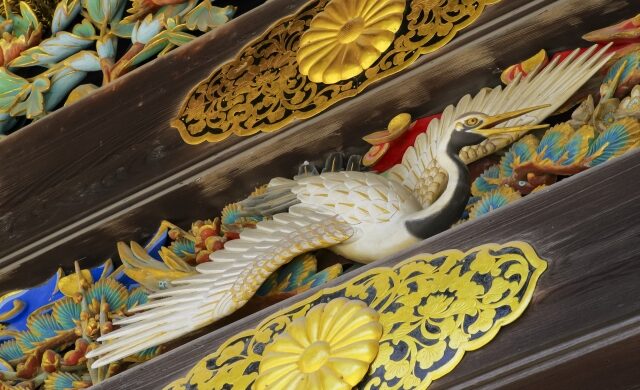
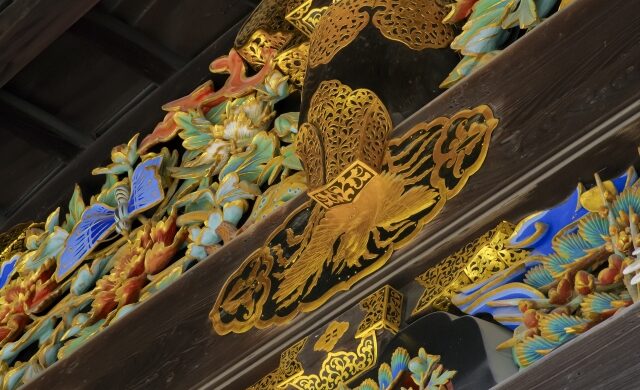
These decorations
are more than beautiful ornaments.
Many carry traditional wishes
for long life, peace and prosperity.
■ Memo|Cranes and Phoenixes
Cranes symbolize long life,
while the mythical phoenix
is associated with peace
and prosperity.
■ Photo Tip|Small Discoveries at Karamon Gate
Photograph the entire gate first,
then look for the small carvings.
You may discover details
that are easy to miss from a distance.
Ninomaru Garden|庭園の石に込められた工夫
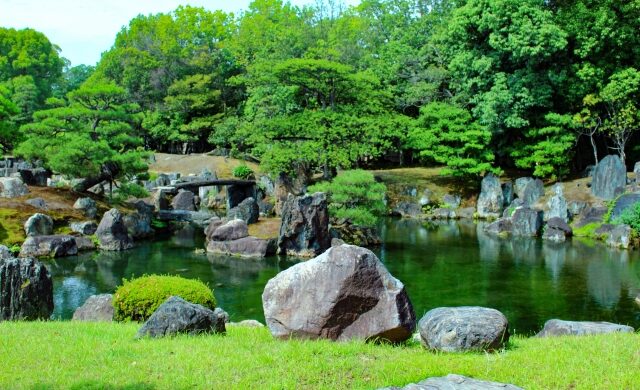
Beside Ninomaru Palace
lies Ninomaru Garden,
designated as a Special Place
of Scenic Beauty.
Its pond, islands
and carefully arranged rocks
create a landscape
designed to be admired
from the palace.
Rather than looking only
at the whole garden,
notice how the stones
and trees shape the view.
Honmaru and the Moat|もうひとつの城の姿
Beyond Ninomaru,
the Honmaru area reveals
another side of Nijō Castle.
The original Honmaru Palace
was lost to fire.
The present palace was relocated
from the former Katsura-no-miya
Imperial Residence
during the Meiji Period.
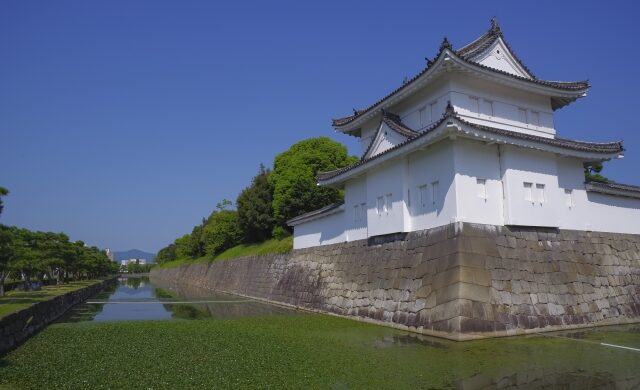
Massive stone walls,
wide moats and corner watchtowers
remind visitors
that Nijō Castle was also
a carefully protected fortress.

🟫 CAT MEMO 🐾

“So much gold…
I couldn’t stop looking!”
“I almost forgot to blink…
everything was sparkling!”
🗺 Google Map
🏯 Palace Visits
Ninomaru Palace and Honmaru Palace
have different visiting arrangements.
Check the latest admission details
before your visit.
Official Website|元離宮二条城 公式ホームページ
Please check the official website for the latest information before visiting.
Nijō Castle witnessed
both the rise of the Tokugawa shogunate
and a turning point
in its final years.
Beyond its history,
the singing floors,
colorful carvings
and carefully designed gardens
offer many small discoveries.
Perhaps knowing these stories
will make your walk
through the castle
a little more memorable.
Thank you
for visiting
Nijō Castle.
May your time here
bring you peace
and beautiful memories.
And may your journey
through Kyoto
be a wonderful one. 🐾
🗺 Explore More Kyoto Areas
Kyoto is divided into several unique areas, each offering different attractions and experiences.